
Our Mission
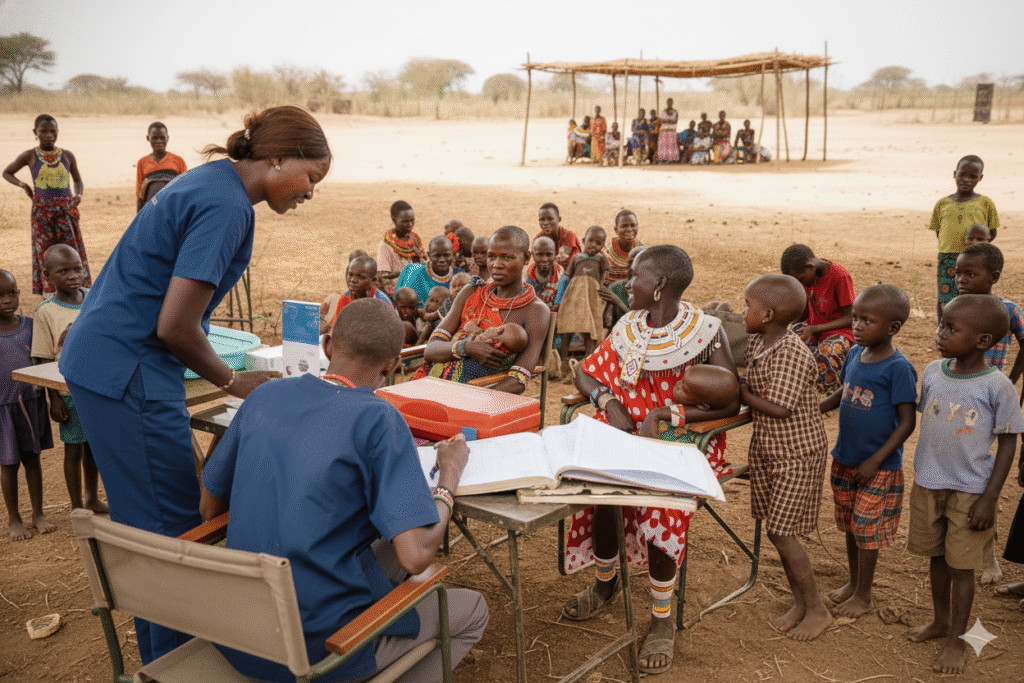
Maasai Women’s Health Organization empowers Maasai women and children through FGM prevention, community-led health services, menstrual health education and advocacy against child marriage. Our mobile clinics and trained birth attendants bring lifesaving maternal and child care to even the most remote villages.
About Us
Theresia “Teddy” Victor Moller was born and raised in a remote village in northern Tanzania, one of nine children in a family of very limited means. In a community where girls were often expected to leave school early or marry young, Teddy dared to dream differently. She aspired to become a nurse, in order to one day return to villages like her own and provide care for women and girls who lacked access to essential healthcare.
Surrounded by friends who had little access to education and faced the weight of poverty, Teddy carried a spark of hope for a different future. As she says, “Because women, we can. Any woman can be anything she wants – she just has to be strong enough to reach her dreams. Every girl has a right to an education. Every girl has a right to freedom.”
Her Brave Choice
At age 11, Teddy was told she must abandon her studies and was to marry a 65 year old man the very next day. According to custom, she was to also undergo circumcision. But Teddy refused. That night, she fled – walking alone for twelve hours through the bush until she reached a road, where she managed to flag down a passing truck. With only a few words of Swahili, no contacts, and nowhere to go, she arrived in the town of Arusha and spent her first night at the bus station. There, small acts of kindness became turning points: a woman offered her water, and soon after, she found refuge at a Catholic center for Muslim women. Teddy enrolled in classes, studied diligently for a year, and quickly distinguished herself through her exceptional dedication and performance.
The center saw something in her: she was not an outsider, but one of them. Teddy came from the very communities that practiced the customs she now sought to change. With their support, she completed secondary school and went on to study nursing for three years. After becoming a nurse, she joined a flying medical unit that provided care to Muslim women in remote areas. When that program ended, she worked at a government hospital in Arusha – but she could not remain in the city while women in the villages continued to suffer. Determined to make a greater impact, she pursued a three-year qualification in anesthesia so she could return to those rural villages, save mothers’ lives, and serve the most vulnerable where the need was greatest – in the same communities she had escaped years earlier.
Return to Serve
Today, Teddy works at a rural hospital near the Maasai communities – not because it is easy, but because she is needed. Each day, she meets women arriving from distant villages and young girls married long before their time. Many have endured female genital mutilation (FGM) and now face grave risks in childbirth, along with lasting physical and emotional scars. Teddy understands their pain because she has lived it herself—and now, she is determined to change it.
THE CHALLENGE
Over 230 million girls and women worldwide have undergone FGM — with rates in rural northern Tanzania reaching up to 40%.
Rural residence, low or no education, and poverty increase the odds of FGM significantly.
- A girl who survives FGM and child‑marriage often faces lifelong health complications and social exclusion.
- Many girls in rural Tanzanian communities are denied the right to education, locked into tradition instead.
- Unless local credible voices lead change, the cycle repeats. Teddy is that voice.
- With more resources, more vehicles, more outreach, more trained peer‑nurses, the impact can multiply.
A Voice They Trust
Teddy’s difference is that she is not coming in as an outsider with a “project” version of change: she is from the tribe, she has lived the custom, the forced marriage, the cut. She knows the elders, the women, the traditions—and she challenges them from within. That gives her credibility. That gives her access. That gives her impact. She has seen what happens when a girl marries at 11, when a woman gives birth without proper care, when a community dismisses the value of an educated girl. She works to open doors instead: into education, into health care, into community leadership.
In 2024 Teddy officially registered her organisation, the Maasai Women’s Health Organization. Through this organization she rents vehicles into remote villages, engages outreach teams (including trained nurses), provides sanitary pads for girls to empower them to stay in school, runs community‑leader workshops about the damage of FGM and the importance of girls’ education, and mentors young women who dare to break the cycle. She uses her own salary, her own car rental costs, her own energy—because she believes the cost is worth paying. But the scale demands support.
She often says, “Any woman can be anything she wants. She just has to be strong enough to reach her dreams.” That belief fuels every outreach visit to the villages, every conversation with community elders, and every classroom where girls who dared to stay in school are encouraged to keep believing in their own potential.
What We Do?
& How You Can Make a Difference
Reach more remote villages with mobile outreach teams
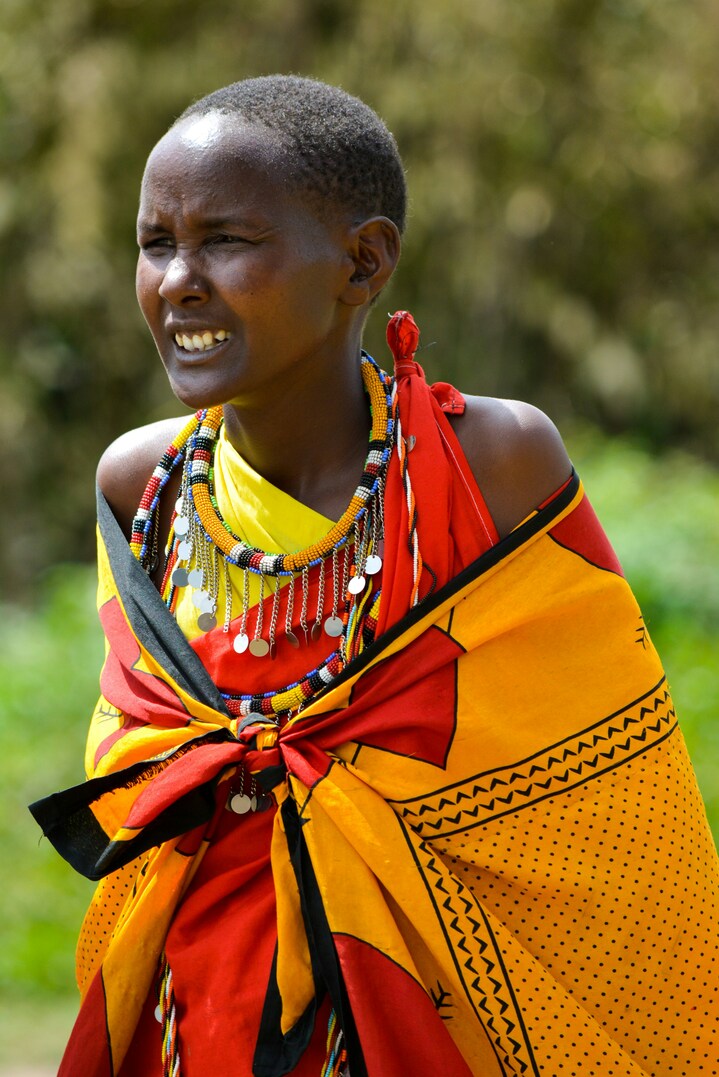
Provide sanitary supplies and school‑support kits to girls at risk of dropping out
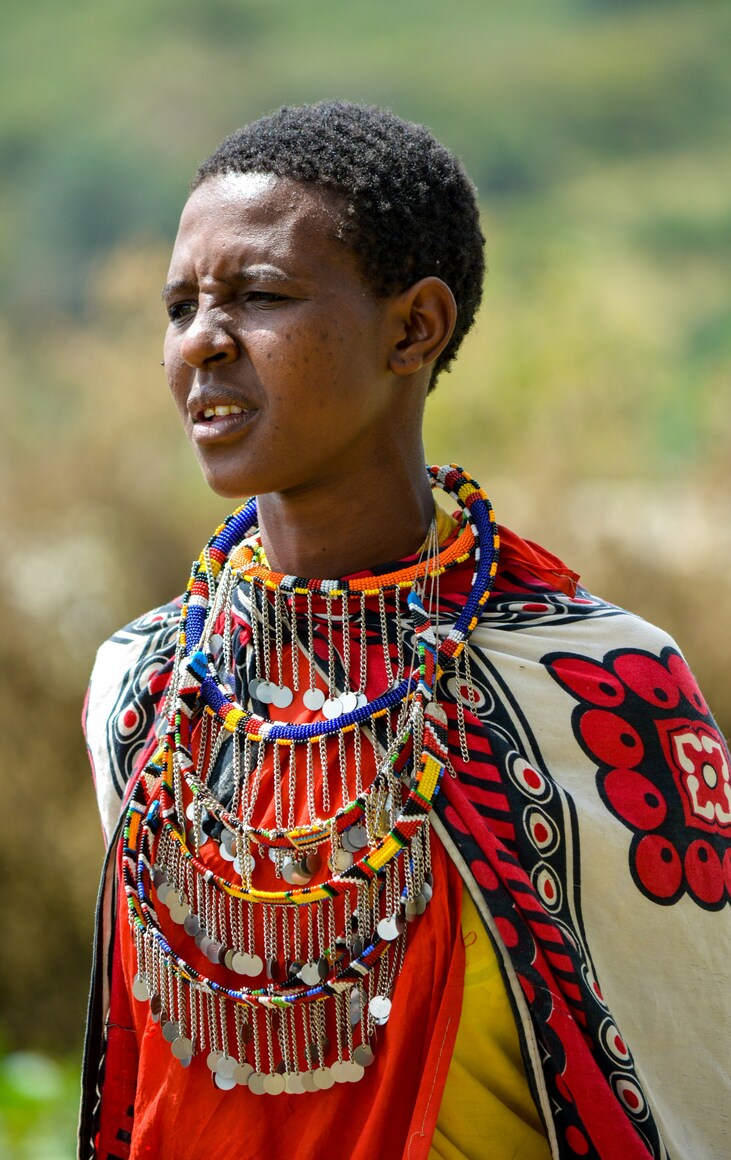
Train and engage local women as peer‑educators in their own communities
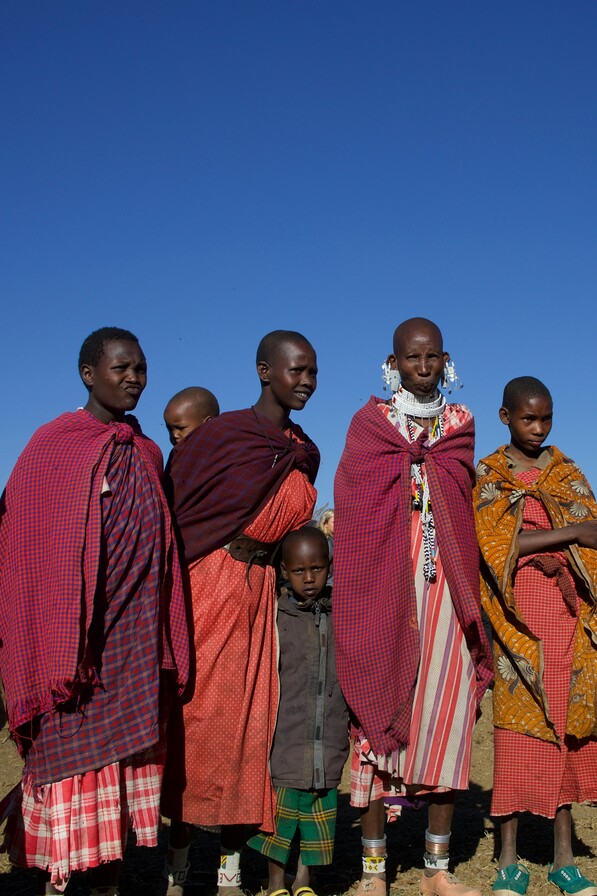
Host dialogues with village leaders, change the narrative around marriage and FGM
Your support will transform generations of Maasai girls and women
Help expand community-led health care, end harmful practices like FGM and early marriage, and ensure every Maasai girl has the chance to grow up healthy, educated, and free. Together, we can build a future where women lead—and entire communities thrive.
Donate now and be part of lasting change.